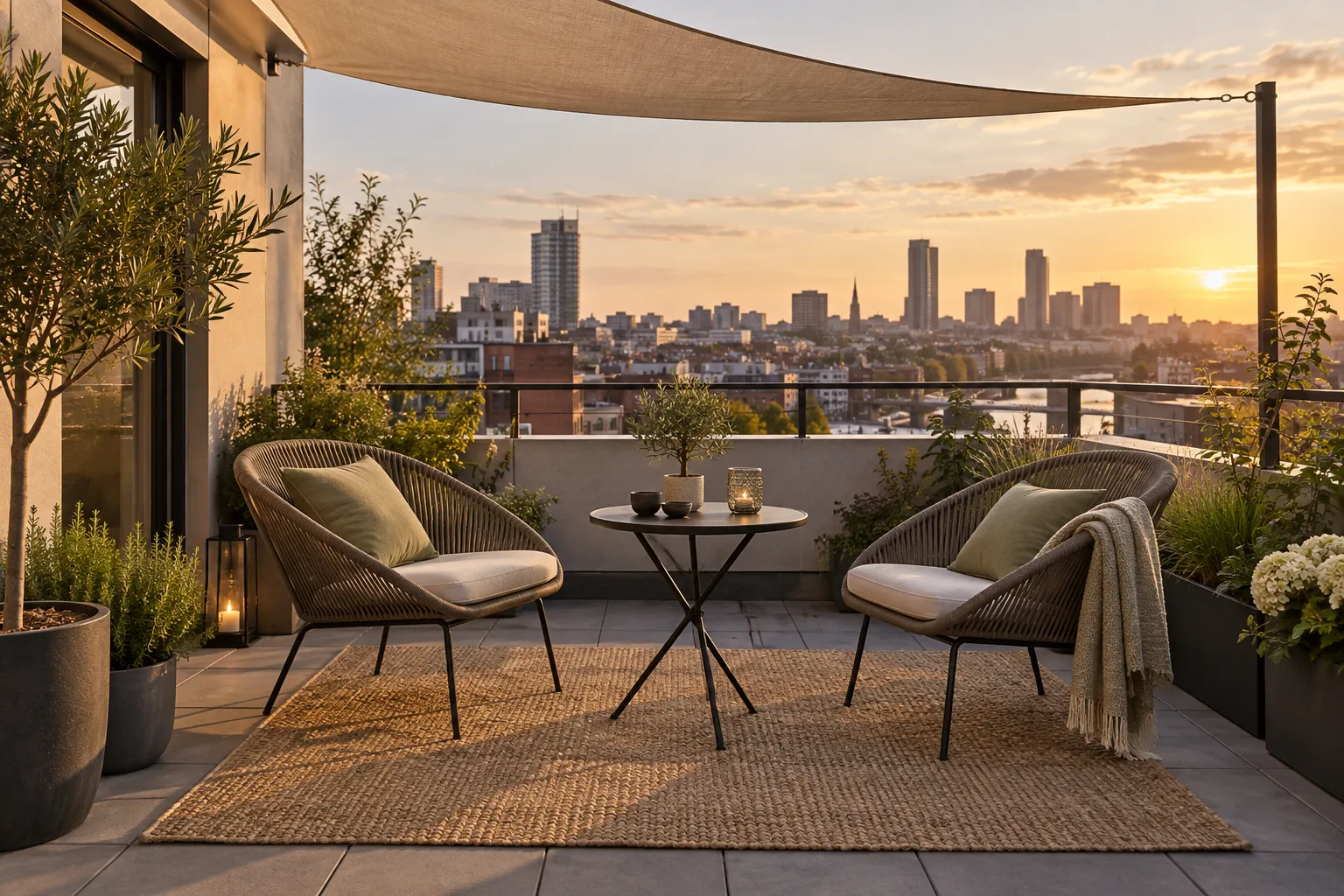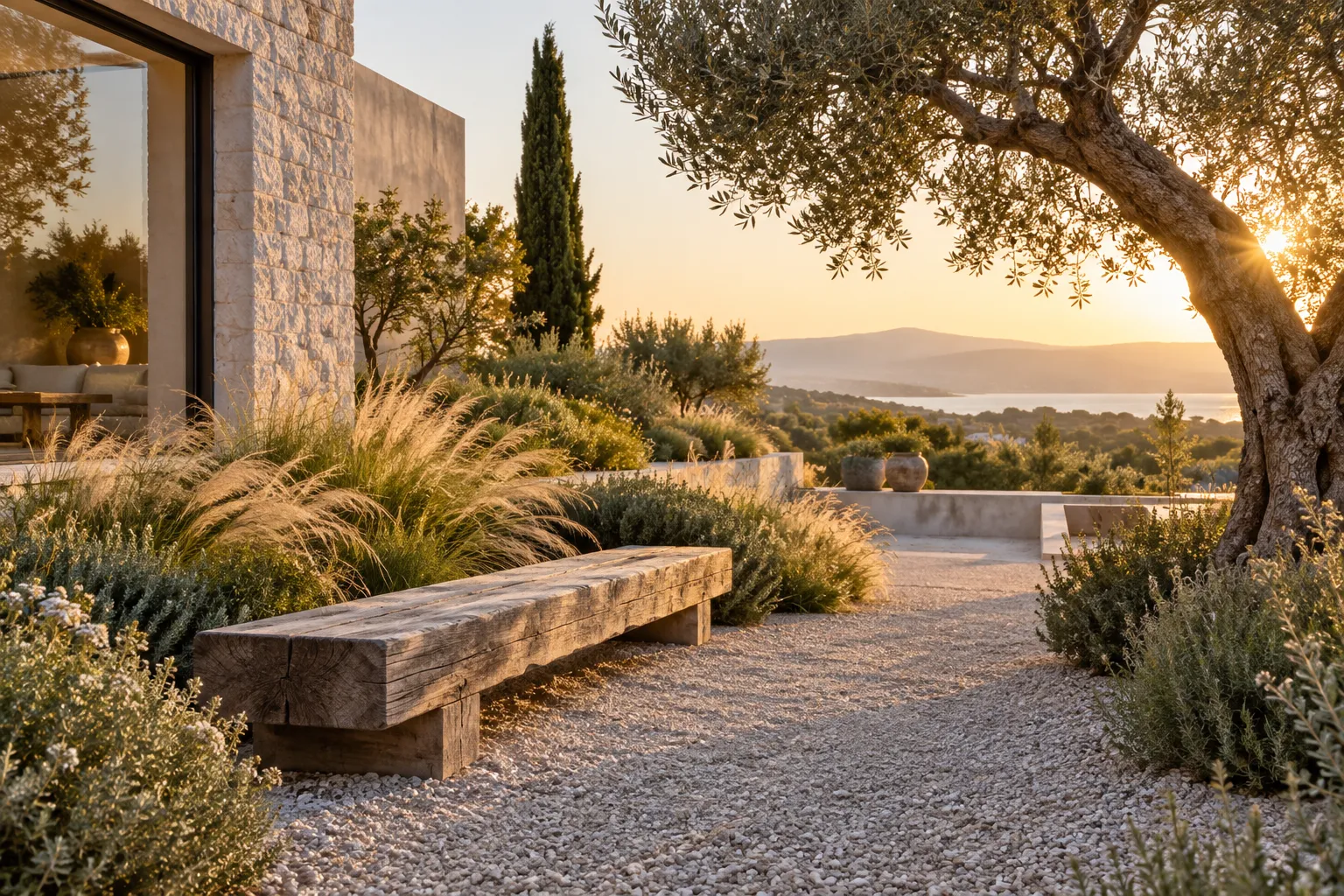
A courtyard garden is always close to daily life. It may be the view from a kitchen table, the place where someone takes a short break, or the first outdoor space seen on arriving home. Because it is usually enclosed and compact, every decision is noticeable: the route through it, the way water drains, the height of planting, and what remains interesting when flowers are gone. A successful courtyard does not depend on a single spectacular season. It offers structure, comfort, and signs of change throughout the year. The design should begin with the conditions of the site, not with a photograph of a garden in another climate. Observe the hours of sun, the direction of wind, where water collects after rain, and which windows look onto the space. Consider how often you want to sit outside and how much care you can realistically provide. A courtyard that is easy to maintain and pleasant to view from indoors will be enjoyed more often than an elaborate scheme that requires constant attention.
Read the courtyard before drawing a plan
Spend time in the space at different hours and, if possible, in different weather. A courtyard enclosed by tall walls may receive only a short period of direct sun, while one corner can be hot and dry because it reflects heat. Another may stay damp. These differences determine which plants will thrive and where seating will be comfortable. Make a simple map of light, shade, doors, windows, drains, and existing structures. Note the views from inside, because the garden will be seen through glass for much of the year.
Look for the natural route through the courtyard. If it connects two doors, the path must be practical in rain and darkness. If it is a destination rather than a passage, the route can slow down and invite a pause. Existing levels and drainage may limit where hard surfaces or raised beds can go. Any changes that affect waterproofing, neighboring property, or structural walls should be reviewed by qualified local professionals.
Finally, consider the microclimate. Wind may accelerate between walls, and reflected heat may stress plants that would do well elsewhere in the same city. A local nursery or garden designer can help match species to the actual conditions. This groundwork is less glamorous than choosing containers, but it prevents expensive disappointment.
Establish a clear route and a place to stay
A small garden needs a reason to be entered. Start with a path that gets people to the destination without forcing them to brush against planting or step around furniture. The path can be direct if the courtyard is used every day, or gently offset if the space is primarily for lingering. Its surface should be suitable for the local weather and comfortable underfoot. Slippery finishes, unstable gravel, and awkward level changes can make a beautiful layout difficult to use.
Choose a seating position based on sun, shade, privacy, and the view back toward the house. A built-in bench can save space and provide a strong line, but it is less flexible than movable chairs. A small table may be enough for coffee or a meal for two; a large dining set can consume the entire courtyard and leave little room for planting. Tape out the furniture footprint and allow space to pull back chairs before making a purchase.
The path and seat should feel related. A change in paving pattern, a low wall, or a carefully placed tree can indicate arrival without creating another enclosure. If the courtyard is too small for a full seating group, a wide step, ledge, or single chair may still make it inhabitable. The aim is a useful outdoor room, not maximum furniture coverage.
Give the garden a framework that lasts in winter
Seasonal flowers provide energy, but the courtyard needs a structure that remains when they are absent. Evergreen shrubs, grasses with persistent form, the outline of a small tree, or well-detailed walls and paving can create that backbone. Choose a few strong shapes rather than a large number of unrelated plants. In a compact view, repetition often feels calmer and allows seasonal changes to be noticed more clearly.
Height should be planned from both outdoor and indoor viewpoints. A tall planting against the far wall can give depth; a low foreground may preserve sightlines from the living room. A tree can provide shade and a sense of scale, but its mature size, roots, and maintenance needs must suit the courtyard. A species that looks delicate in a container at the nursery may soon dominate a small enclosed space.
Hard materials are also part of the winter composition. A warm-toned wall, a textured path, or a simple water bowl can give the eye somewhere to settle. Keep the material palette coherent with the house while choosing finishes appropriate for exterior exposure. A courtyard should still feel considered on a gray day when the planting is quiet.
Plan for seasonal change rather than one peak
A year-round garden does not need to look equally full every month. It needs a sequence of interest: new growth, flowers, foliage, seed heads, bark, or architectural silhouettes. Choose plants that contribute at different times and avoid relying on one brief flowering period. In a small courtyard, a single tree with attractive branching can be more valuable across the year than several short-lived displays.
Think about maintenance as part of the seasonal plan. Deciduous plants may provide welcome summer shade and winter light, but leaves will need clearing from paving and drains. Grasses can look beautiful in colder months, yet may require cutting back at the right time for the local climate. Ask how each plant behaves when it is not at its best. A good design accepts those moments rather than trying to disguise them with constant replacement.
Containers can add seasonal flexibility. They allow a favorite flowering plant or herb to be moved and refreshed without restructuring the whole garden. Give roots enough volume and plan for watering, drainage, and safe placement. Too many small pots dry quickly and can make the space look busy. A few larger containers often create a stronger composition and are easier to manage.
Design planting for the actual light and soil
Plant labels are a starting point, but the courtyard's conditions are more specific. A wall may cast deep shade while another reflects intense afternoon sun. Soil in a raised bed may dry differently from soil at ground level, and containers are more exposed to temperature swings. Test soil and observe drainage before choosing a full palette. If the space is paved, consider whether planting in the ground is possible or whether substantial containers are the more realistic option.
Group plants with similar water and light needs. This makes care simpler and reduces the temptation to overwater one species while keeping another alive. Layer heights so lower plants receive enough light and taller ones do not obscure useful views. A narrow bed can look generous with a repeated texture and one contrasting form rather than a crowded collection of varieties.
Consider local suitability and long-term behavior. Some plants may spread aggressively or require regular pruning to stay within bounds. Others attract pollinators or offer habitat, which can be valuable in an urban courtyard. Seek local horticultural guidance rather than copying a planting list from a different region. A modest palette that thrives will look more intentional than a larger one struggling against the site.
Make water and maintenance visible in the design
Water management is the least photogenic and most important part of many courtyards. Rain must have somewhere to go, and planting should not block drains or create damp problems against the building. Before changing levels or paving, understand the existing drainage and waterproofing. Consult qualified local professionals for any work that could affect the structure or neighboring spaces. A beautiful surface is not a substitute for a reliable drainage plan.
Design access for cleaning and pruning. Leave room to reach the back of a bed, remove fallen leaves, and inspect walls. A narrow planted strip may look good when new but become difficult to maintain once shrubs grow. If irrigation is considered, choose a system that can be checked and repaired; do not assume automation removes the need to observe the plants.
Be honest about the time available. Some households enjoy regular pruning and changing seasonal containers. Others need a resilient scheme that can tolerate an occasional missed week. Neither preference is wrong, but the plant choice and layout should reflect it. Maintenance is part of the garden's design brief, not a task discovered after installation.
Use lighting to extend the view after dark
Courtyard lighting can make the space feel connected to the interior during evenings when no one is outside. A gentle light on a tree or textured wall gives the eye depth beyond the window. A safe path light may be useful if the garden is crossed at night. Avoid flooding the whole courtyard with brightness; strong exterior lights can create glare from inside and disturb neighbors or wildlife.
Start by observing the view from the rooms that face the garden. A source that looks discreet outdoors may be directly visible through the window from a sofa. Shielding and placement matter. Consider how light falls on plants as they grow and change shape. If permanent outdoor electrical work is involved, use products suitable for the setting and have installation reviewed by a qualified local professional.
Simple controls are often enough. A short evening schedule or a switch near the door may make the garden pleasant without leaving lights on all night. Candlelight or portable lamps can be lovely for occasional meals, provided they are used safely and stored appropriately. The goal is to make the courtyard inviting at the times people actually see and use it.
Connect the garden to the rooms around it
A courtyard often succeeds as an extension of the interior view. Notice what is seen from the kitchen sink, the dining table, and the main seat. A single well-placed tree or focal wall can frame those everyday moments. Avoid positioning the best feature where it is visible only when standing in one corner outside. Aligning a path, a bench, or a strong planting form with an interior sightline can make both spaces feel larger.
Materials and colors can carry a quiet connection across the threshold. An exterior paving tone may relate to interior flooring without being identical. A timber bench can echo joinery inside while using a finish suitable for outdoor exposure. Plants near the door can soften the transition and make stepping out feel natural. Check door operation and keep leaves or containers clear of drainage paths.
If the courtyard is tiny, resist the pressure to fill it. A clear floor area, one good seat, and a few well-chosen plants may serve daily life better than a dense garden with no room to move. The space can feel generous through its relationship with the house, not only through the number of things it contains.
Make a realistic plan for the first year
Begin with the elements that are difficult to change: drainage, route, seating position, and the main structural planting. Then add secondary plants and objects in stages. Living with the first version through a season will reveal where shade falls, which container dries fastest, and whether the seating location is genuinely used. This evidence is more valuable than completing every detail on installation day.
Keep a simple record of the garden's behavior. Note flowering periods, areas that stay wet, and tasks that feel harder than expected. If a plant fails, check whether the location or care was unsuitable before replacing it with the same type. Gardens are living systems; refinement is part of the process. A successful courtyard is allowed to evolve while its framework remains clear.
When comparing products or plants, ask three questions: will this suit the courtyard's real conditions, will it be pleasant to live with, and can it be cared for consistently? Those questions protect both the design and the budget. The result can be a small garden that feels rewarding from the window in winter and welcoming to sit in when the weather invites you outside.
Design the path and seat first; then choose plants for climate, season, and maintenance.
These are general design considerations. Product dimensions, materials, installation requirements, and care instructions should be checked with the relevant maker or professional before purchase or work begins.